Plain-English tax, explained
No jargon, no fear-mongering, just the things small-business owners actually ask us.
IRS Audit Representation for High Earners: What to Expect and How to Prepare
High earners face a significantly elevated audit risk, and the stakes climb when complex income is involved. This guide explains the audit process, what to gather, and why professional representation matters.
Private Client Tax Services: What Discreet, NDA-Backed Tax Work Actually Looks Like
Discreet, NDA-backed tax work is designed for high-net-worth individuals, celebrities, entertainment professionals, and business owners whose situations require more than standard prep.
Multi-State Income Taxes for Touring Musicians, Athletes, and Traveling Professionals
If you earn income in multiple states, each state generally taxes what you earned within its borders — meaning nonresident returns, home-state credits, and careful tracking of where you worked.
California Mansion Tax Explained: What It Is, Who Pays It, and How Much It Costs
The California mansion tax is a City of Los Angeles real estate transfer tax — 4% on sales above $5 million and 5.5% on sales above $10 million — paid at closing by the seller.
California Exit Tax: What's Been Proposed, What's Law, and What Leaving Actually Costs You
California has not passed an exit tax, but several proposals have come close — and the state's residency rules and income-sourcing laws already create significant tax obligations for people who leave.
California Tax Brackets: What You Actually Owe in State Income Tax
California has nine income tax brackets ranging from 1% to 13.3%, with rates that apply only to income within each band — not your total income.
IRS Form 1116: How the Foreign Tax Credit Works and Who Needs to File It
IRS Form 1116 is the form you file to claim the foreign tax credit — a dollar-for-dollar reduction in your U.S. tax bill for taxes you already paid to a foreign government.
California Tax Extension: What You Actually Need to Do
California grants an automatic six-month extension to file your state return, but any taxes owed are still due by the original April 15 deadline. Here's what to do.
California Vacancy Tax: What Property Owners Need to Know
California has no statewide vacancy tax, but San Francisco and Oakland both impose annual fees on chronically vacant properties. Here's what landlords and investors need to know about compliance and deductibility.
California Property Tax Due Dates: When to Pay and What Happens If You're Late
California property taxes are split into two installments due November 1 and February 1, with hard delinquency deadlines of December 10 and April 10 — miss either and a 10% penalty applies immediately.
California Property Tax Assessment: Rules, Triggers, and How to Appeal
California property taxes are based on assessed value controlled by Proposition 13 — not current market value. Here's how assessments work, what triggers a reset, and how to appeal.
What Is Transient Occupancy Tax in California?
California's transient occupancy tax is a local tax—set by cities and counties, not the state—on short-term stays of 30 days or fewer, paid by guests but collected and remitted by the host.
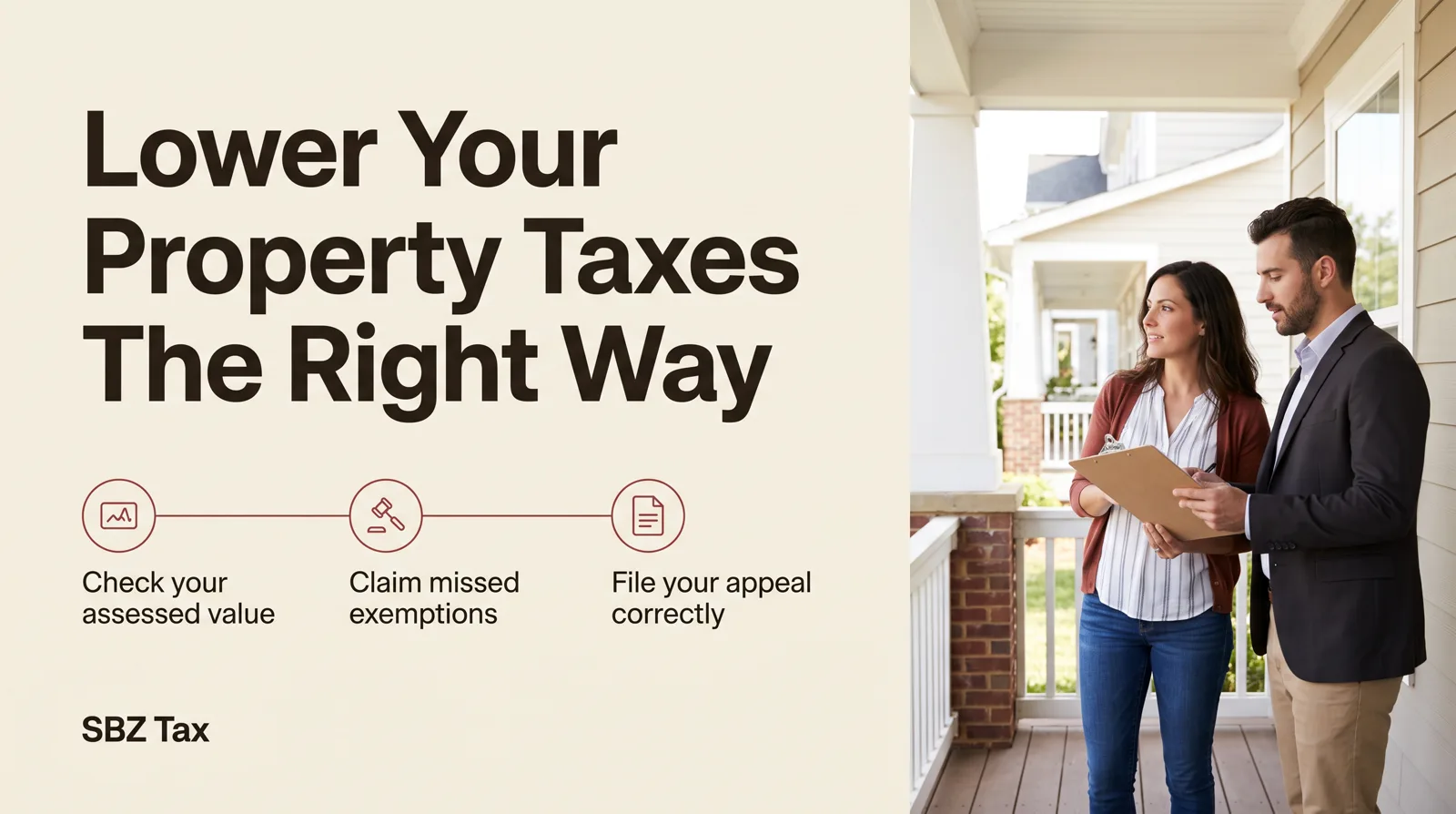
Can I Lower My Property Taxes? What to Know Before You Appeal
Most property owners have a realistic path to lower their property tax bill, whether through an assessment appeal, a missed exemption, or a factual error in their property record. Here's what to check first.
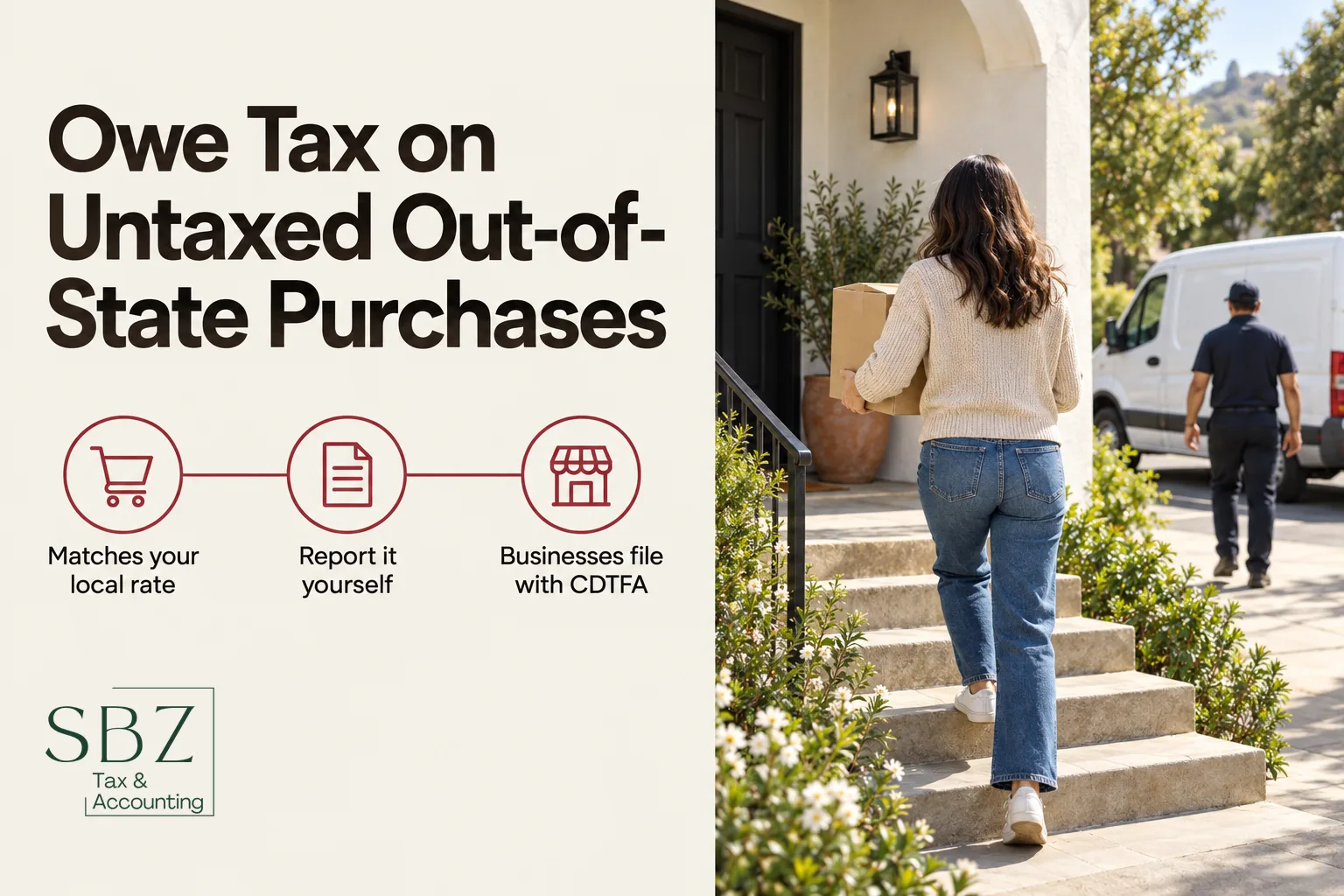
California Use Tax: What It Is, Who Owes It, and How to Pay
California use tax applies when out-of-state purchases arrive in California without sales tax collected at checkout — here's who owes it, what the rates are, and how individuals and businesses report it.

California Earned Income Tax Credit: Who Qualifies and What It's Worth
California's Earned Income Tax Credit is a refundable state credit that can put money back in your pocket even if you owe no state tax — and it stacks on top of the federal EITC.
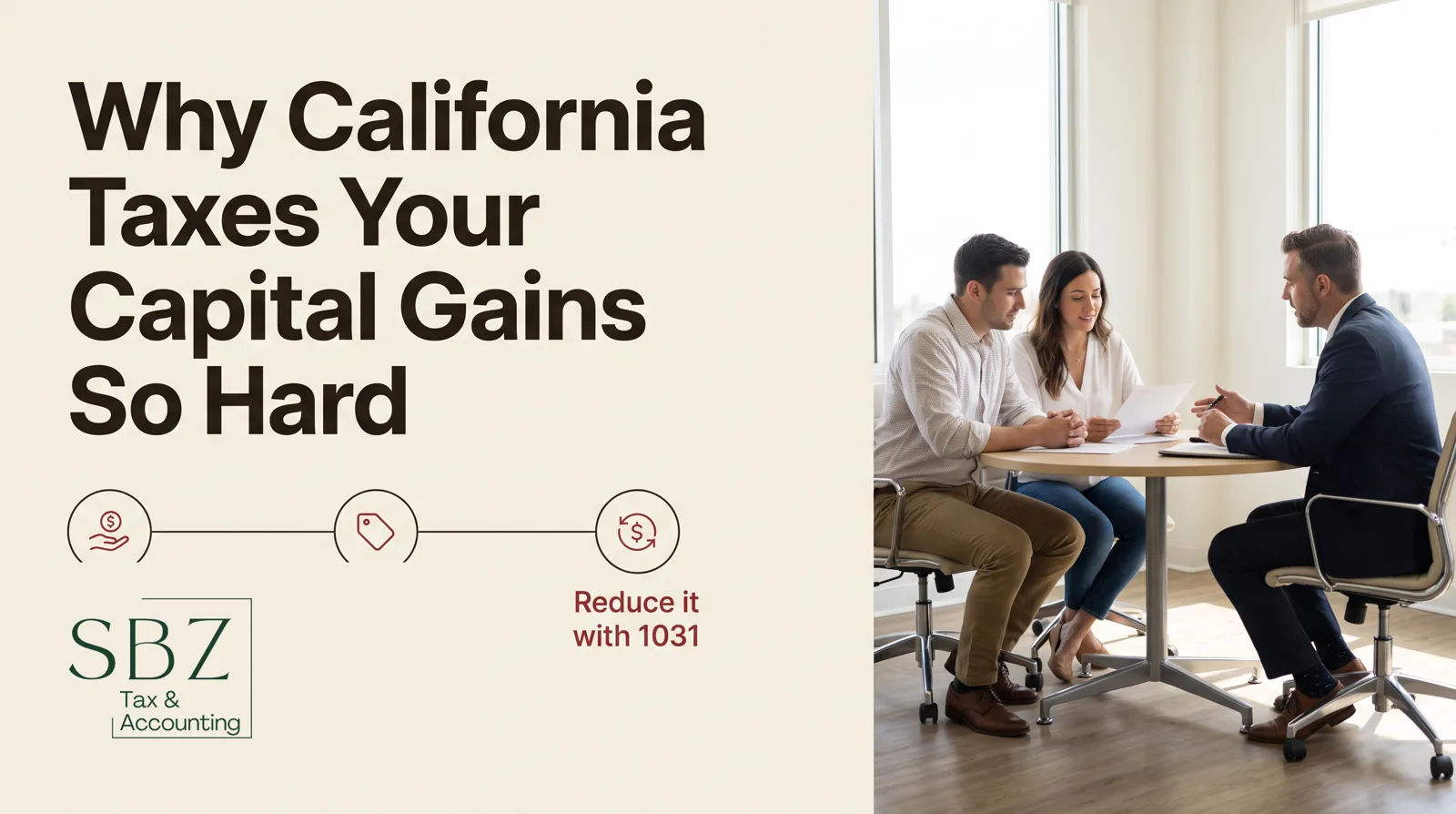
California Capital Gains Tax: Rates, Rules, and What to Expect
California taxes all capital gains as ordinary income at rates up to 13.3%—one of the highest in the country. Here's how it works and what it means for your tax bill.
Los Angeles Property Tax Appeals: How the Process Works and When It's Worth Filing
Filing a property tax appeal in Los Angeles County can lower your assessed value and reduce your bill for years — here's how the process works from start to finish.
What Is the Tuition Tax Form? Your 1098-T and Education Credits Explained
Form 1098-T is the tuition tax form your school sends each January — it's the starting point for claiming the American Opportunity or Lifetime Learning Credit on your federal return.
IRS Form 6251: What It Is and Who Still Owes AMT
IRS Form 6251 is the Alternative Minimum Tax calculation form for individuals. Most filers don't owe AMT after 2017, but ISO exercises and certain deductions can still trigger it.
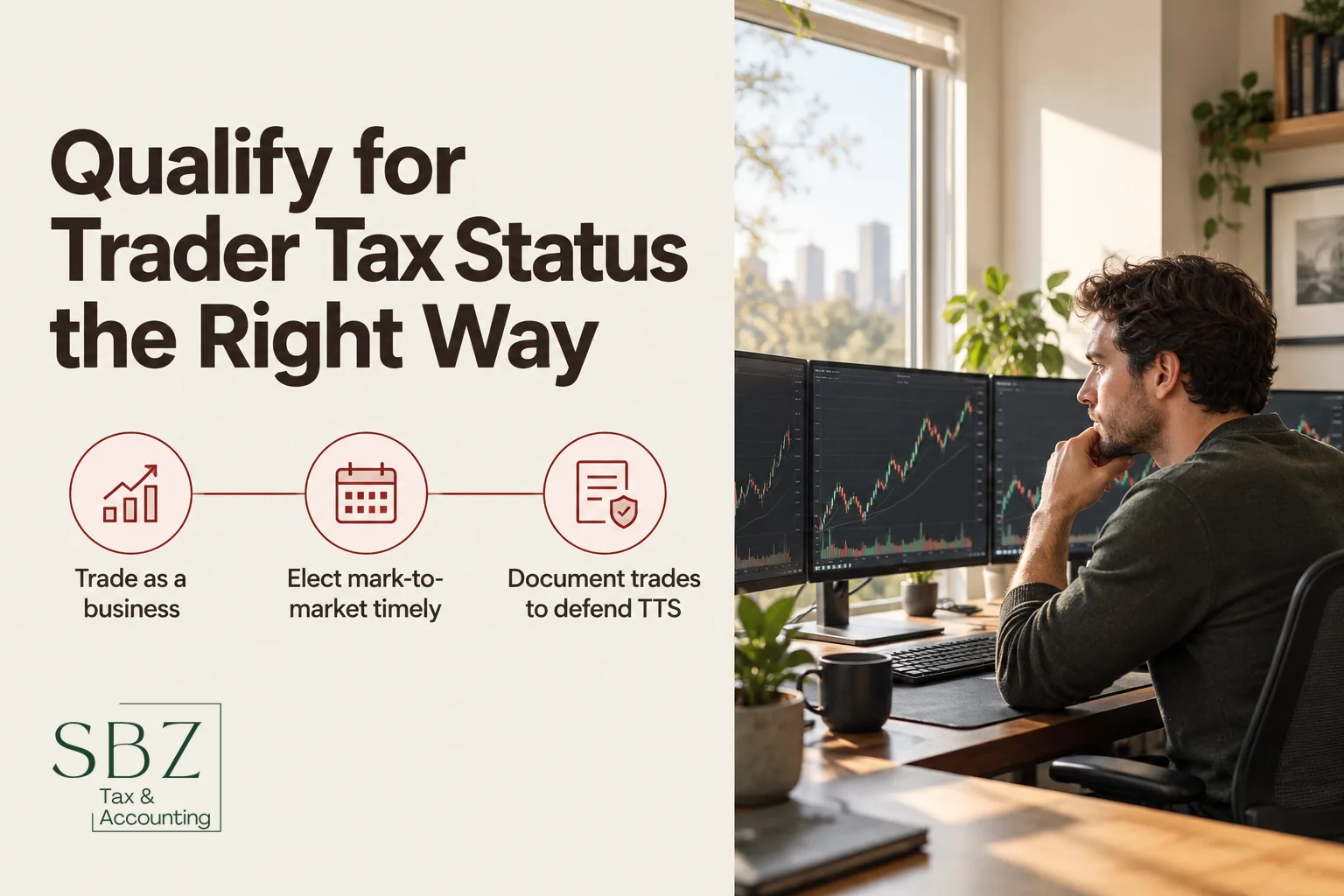
Trader Tax Status (TTS): IRS Requirements, Benefits, and How to Qualify
Trader tax status (TTS) is an IRS designation that lets qualifying active traders treat trading as a business, unlocking expense deductions and the mark-to-market election.
California State Tax Refund Status: How to Check It and What Delays Mean
You can check your California state tax refund status at ftb.ca.gov using the Franchise Tax Board's Where's My Refund tool — you'll need your SSN, filing status, and exact refund amount.
California Estimated Tax Payments: Due Dates, Amounts, and How to Pay
California's estimated tax schedule differs from federal in one key way: there's no September payment. Here's who owes CA estimates, the due dates, and how to pay the FTB.
IRS Business Codes: How to Find the Right One for Your Tax Return
IRS principal business activity codes are six-digit numbers that classify your type of business on your tax return. Here's how to find and choose the right one for your situation.
IRS Form 9423: How to Use the Collection Appeals Request
IRS Form 9423 is the Collection Appeal Request form used to challenge IRS collection actions — including liens, levies, and installment agreement terminations — through a fast-track appeals process.
Do You Need a Lancaster, CA Business License — and How Does It Affect Your Taxes?
Most businesses operating in Lancaster, CA are required to obtain a Business Tax Certificate from the City, and the annual fee is a deductible business expense that reduces your taxable income.

S-Corp Reasonable Salary: What Small Business Owners Actually Need to Know
The IRS requires S-corp owner-employees to pay themselves a reasonable salary. Here's how the rule works, how to set the number, and what happens if you don't.
Missed the Tax Filing Deadline? Here's What to Do Now
Missed the tax filing deadline? File as soon as possible—penalties and interest grow every month you wait. Here's exactly what to do and what it'll cost you.
How to Deduct a Home Office on Your Taxes
Self-employed? You can deduct your home office using a simple $5/sq ft method or actual expenses. Here's who qualifies, how to calculate it, and what to avoid.
S-Corp vs LLC: The Real Tax Differences for Small Business Owners
S-corps and LLCs differ mainly on self-employment tax. Here's what actually changes, what it costs to run each, and when the switch makes financial sense.
What Business Expenses Are Actually Tax Deductible
Learn which business expenses the IRS considers tax deductible, what the rules actually require, and what commonly trips people up.
Quarterly Estimated Taxes for the Self-Employed: What to Pay and When
Self-employed? Learn how quarterly estimated taxes work, when payments are due, how to calculate what you owe, and how to avoid underpayment penalties.

How to Pay Yourself From an S-Corp: Salary, Distributions, and the Split That Matters
S-corp owners must pay themselves a W-2 salary before taking distributions. Here's how reasonable compensation works and how to do it right.
Do You Need to File a Tax Return for an LLC With No Income in California?
California LLCs must file Form 568 and pay the $800 minimum franchise tax even with zero income. Here's what applies to your situation.
Do I Need to Send 1099s to My Contractors?
If you paid a contractor $600 or more in a year, you generally need to send a 1099-NEC. Here's who gets one, who doesn't, and when they're due.
Bookkeeping Basics for Antelope Valley Small Businesses
Good bookkeeping isn't complicated, but skipping it is expensive. Here are the core habits Antelope Valley small business owners need to stay organized and tax-ready all year.
Estimated Tax Penalties: What They Cost and How to Avoid Them
The IRS charges an underpayment penalty when you don't pay enough in estimated taxes throughout the year. Knowing the safe harbor rules eliminates this penalty for most taxpayers.
Tax Deductions for Real Estate Agents in California
California real estate agents working as independent contractors can write off a wide range of business expenses — from mileage and MLS fees to home office costs and professional development.

How to Handle Taxes as an Antelope Valley Rideshare or Delivery Driver
Rideshare and delivery drivers in the Antelope Valley are independent contractors, which means self-employment tax, quarterly estimated payments, and a set of deductions that can significantly reduce what you owe.

California LLC Franchise Tax: What New Business Owners Actually Owe
Every California LLC owes the state a minimum $800 annual franchise tax — separate from income taxes, due regardless of profit, and scaling upward once revenue crosses $250,000.
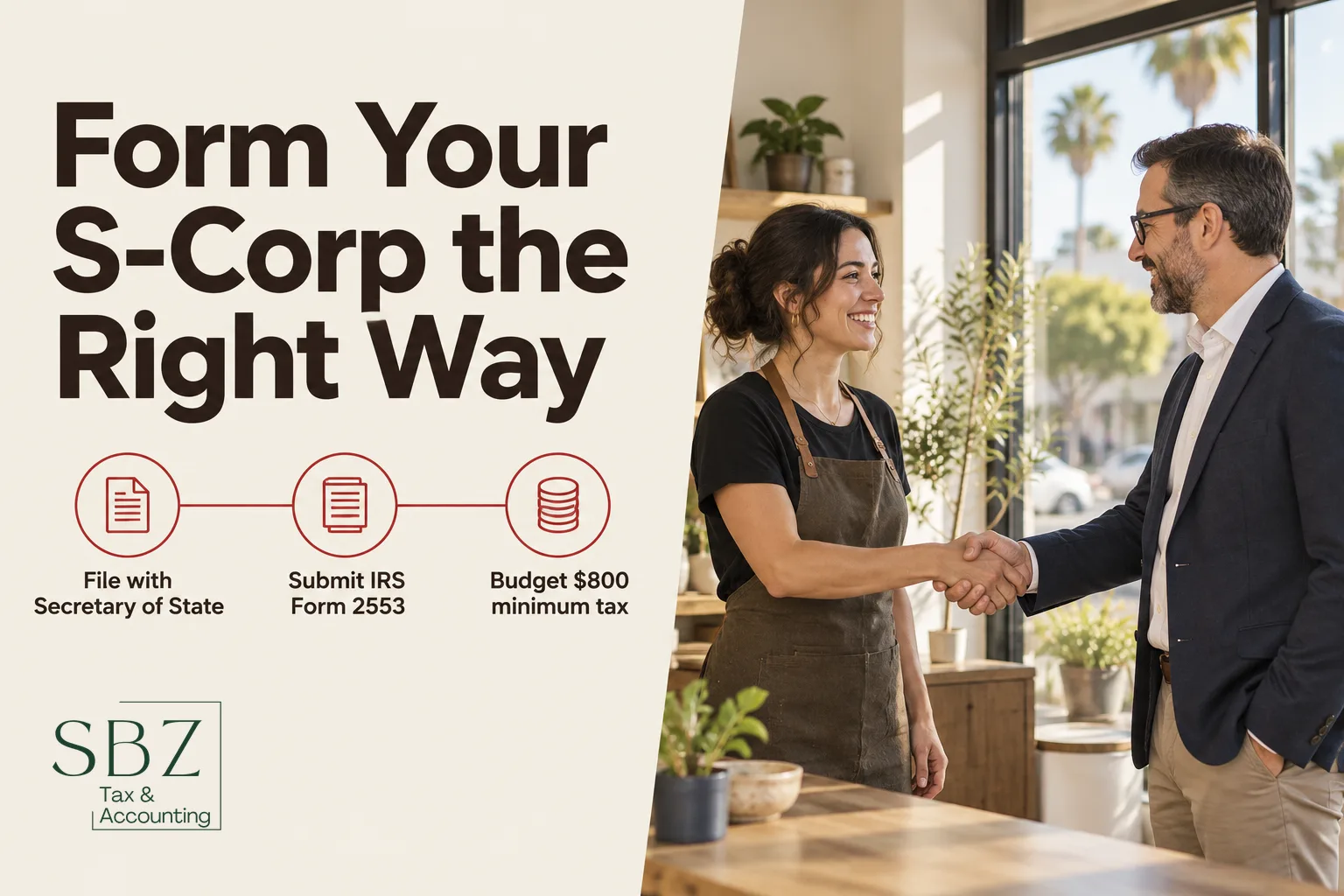
How to Form an S-Corp in California (and What It Costs)
Forming an S-corp in California requires two filings — one with the Secretary of State, one with the IRS — plus an $800 annual minimum franchise tax that applies whether you profit or not.
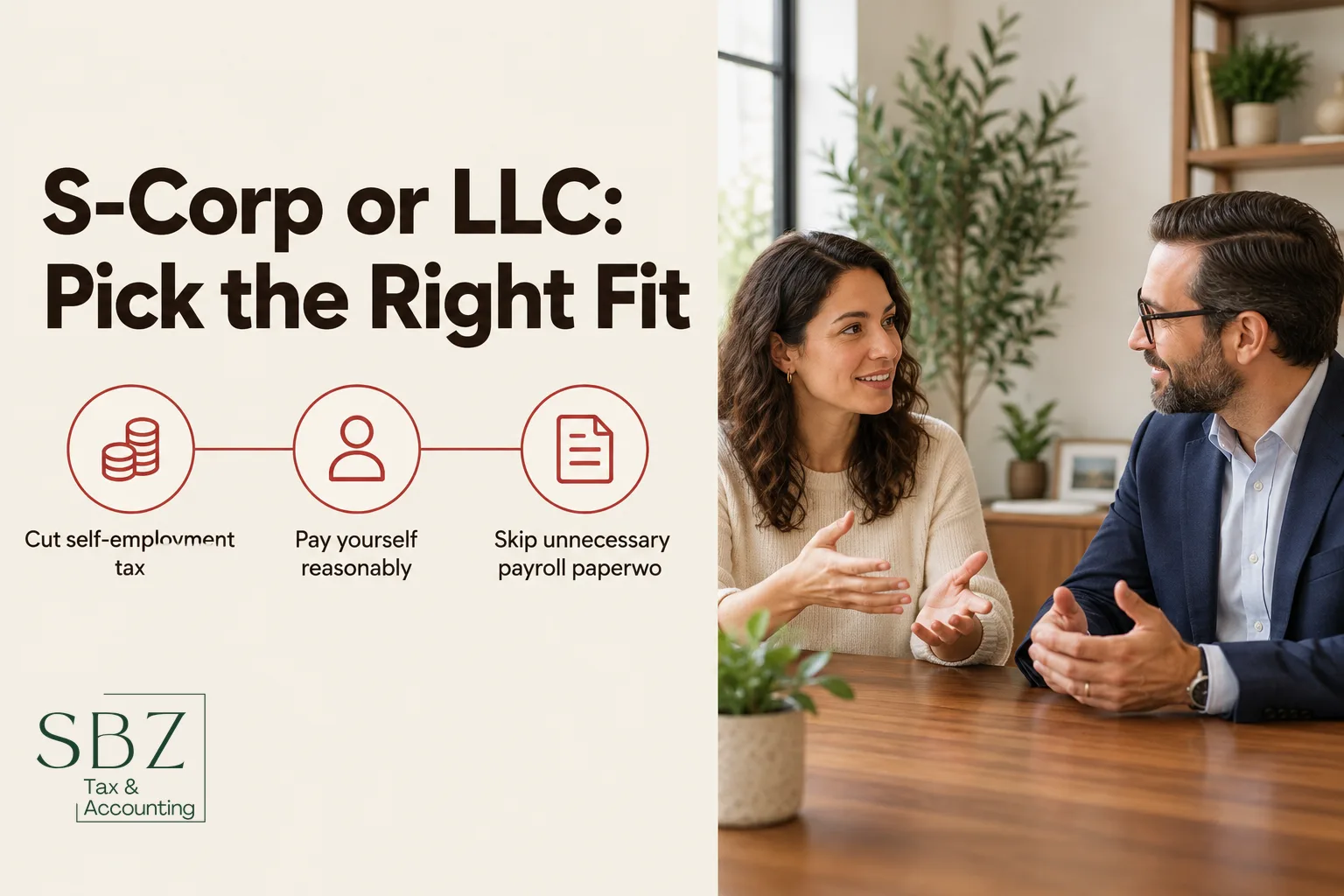
S-Corp vs LLC: Which Structure Actually Fits Your Business?
An LLC is a legal entity; an S-corp is a tax election. This comparison breaks down self-employment tax, payroll, and paperwork so you can see which fits.
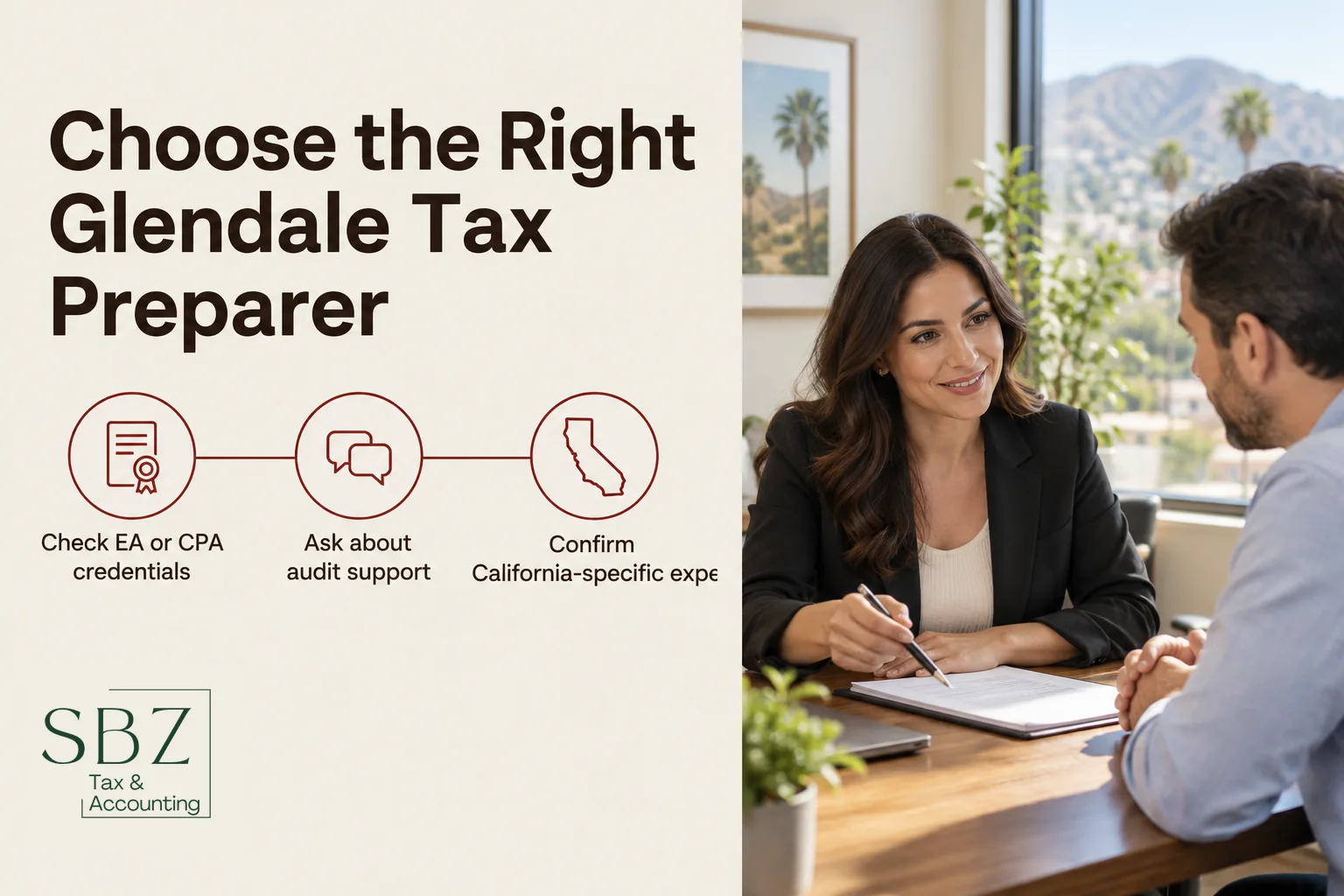
How to Choose a Tax Preparer in Glendale, CA: A Practical Checklist
A practical checklist for picking a Glendale tax preparer: which credentials matter, what to ask, red flags to avoid, and when to look beyond basic return prep.
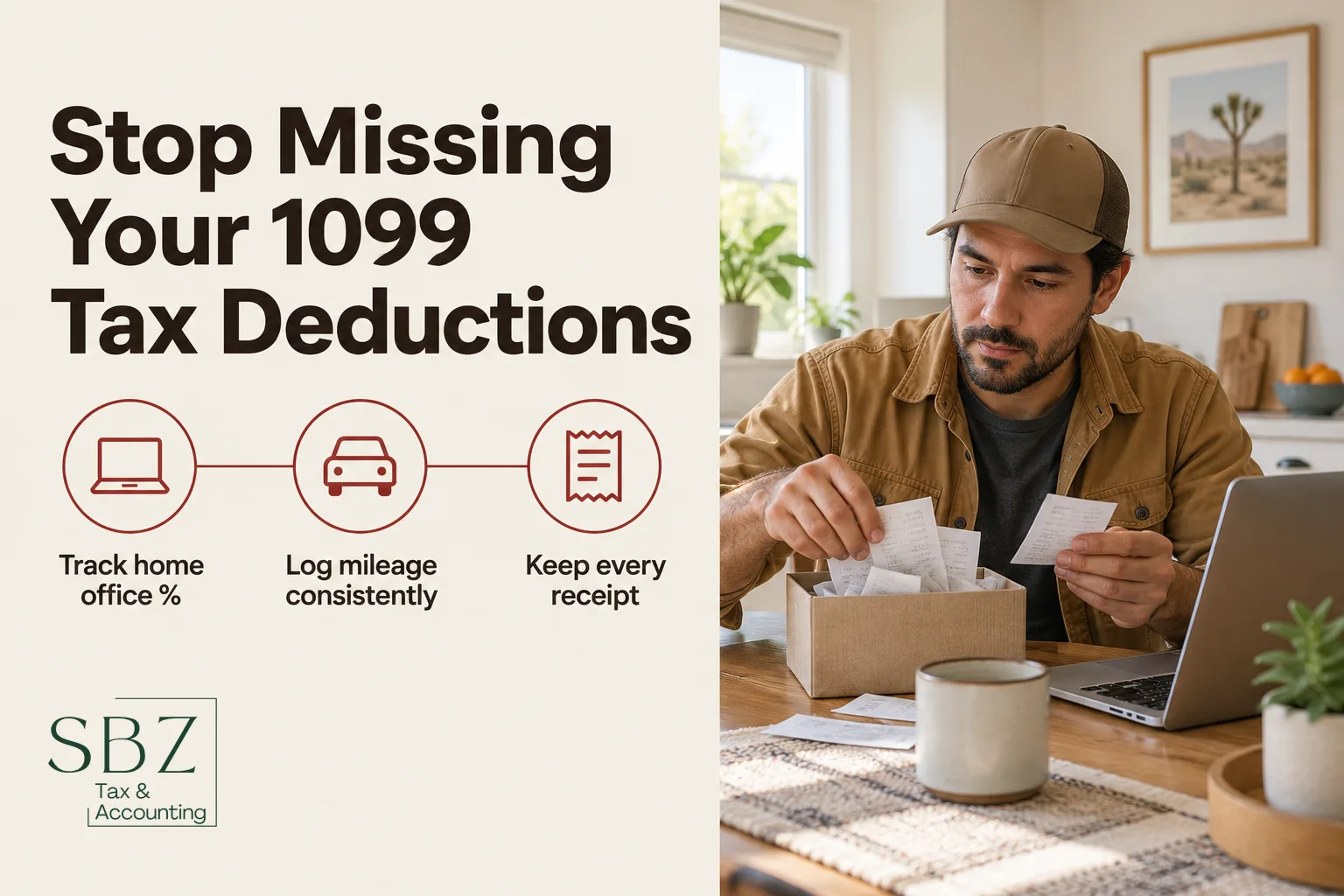
Tax Write-Offs for Self-Employed and 1099 Contractors in Palmdale: Essential Deductions, Compliance Tips, and Local Resources
Palmdale contractors and 1099 workers leave real deductions on the table every year. The write-offs that matter, the documentation the IRS expects, and the California quirks to watch for.
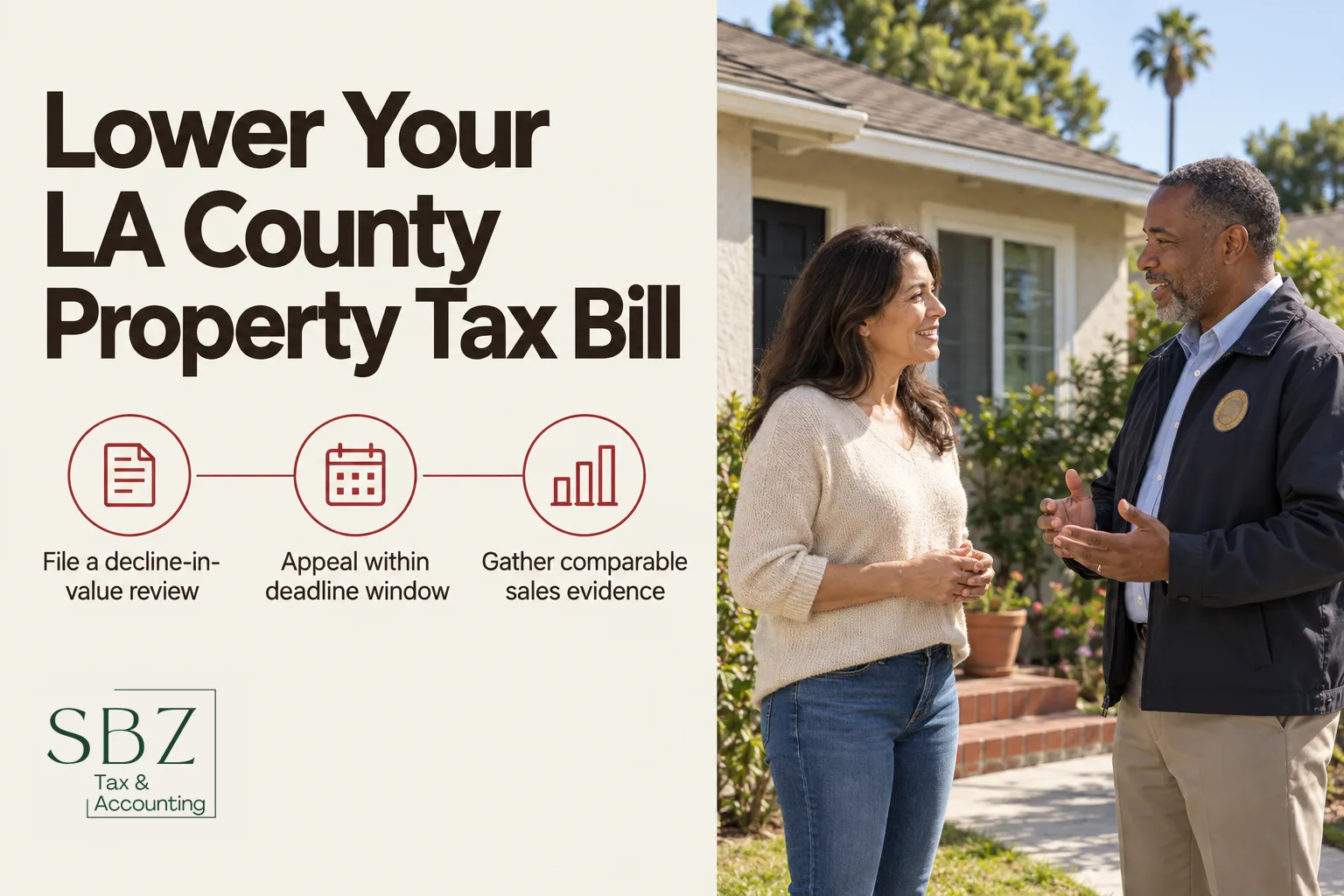
How to Lower Your Property Taxes in Los Angeles County, Practical Steps and Expert Strategies
If your Los Angeles County assessment looks too high, you can challenge it, decline-in-value review, assessment appeals, and the homeowners' exemption. The practical steps, in order.
What Lancaster landlords can deduct on their taxes
Lancaster rental owners can deduct mortgage interest, Los Angeles County property taxes, insurance, repairs, and depreciation on Schedule E. What counts, what does not, and the records that make deductions stick.

S-corp filing deadlines for Palmdale small businesses
S corporations file earlier than most businesses, Form 1120-S is due in mid-March for calendar-year filers. The deadlines, the penalties for missing them, and how extensions actually work.
Quarterly estimated taxes for Antelope Valley self-employed
Self-employed income in the Antelope Valley usually means paying the IRS and the FTB four times a year. Who owes estimated taxes, how to calculate them, and the safe-harbor rules that avoid penalties.
How do property assessments work in Los Angeles county?
The Los Angeles County Assessor sets your property's assessed value, and that value, not the market, drives your tax bill. How assessments work and what to do when one looks wrong.
How California Property Taxes Work: Rates, Reassessments, and What Drives Your Bill
California caps property taxes at 1% of your property's assessed value under Proposition 13, with annual increases limited to 2% — but your actual bill is usually higher once local bond measures are factored in.