
On this page
- What is the Alternative Minimum Tax?
- Who actually needs to file Form 6251?
- What does Form 6251 actually calculate?
- What are the 2025 AMT exemption amounts?
- What rates does AMT use?
- What happens if you owe unexpected AMT?
- Can you recover AMT paid in prior years?
- Does AMT affect S-corp owners or other business owners?
- Frequently asked questions
- Related reading
- Related reading
IRS Form 6251: What It Is and Who Still Owes AMT
Quick answer: Form 6251 is the IRS form individuals use to figure the Alternative Minimum Tax (AMT). You file it with your Form 1040 when your tentative minimum tax is higher than your regular tax, or when certain credits or AMT adjustments require it. The most common trigger today is exercising incentive stock options. Since 2018 most filers owe no AMT.
IRS Form 6251, "Alternative Minimum Tax—Individuals," is the form the IRS uses to calculate whether you owe the Alternative Minimum Tax (AMT) and how much. Most filers will never see an AMT bill—a 2017 law change made it rare—but certain income situations and tax preference items still trigger it.
What is the Alternative Minimum Tax?
The AMT is a parallel tax calculation that runs alongside the regular income tax. The concept: recalculate your taxable income under a stricter set of rules, compare the result to your regular tax, and pay whichever is higher.
Congress created the minimum tax in 1969 after reports that some high-income taxpayers were combining enough deductions to owe no federal tax. The system works by adding back certain deductions and "tax preference items" to arrive at your Alternative Minimum Taxable Income (AMTI). If the tax on that amount exceeds your regular liability, you pay the difference.
Who actually needs to file Form 6251?
Most people don't. The Tax Cuts and Jobs Act of 2017 dramatically raised the AMT exemption amounts, which removed millions of middle-income filers from AMT exposure entirely.
You're more likely to need Form 6251 if:
- You exercised incentive stock options (ISOs) during the year
- You have large accelerated depreciation deductions on business assets
- You have significant tax preference items such as excess percentage depletion
- Your income is high enough that your exemption phases out
The IRS includes a quick worksheet in the regular 1040 instructions to check whether you need to complete the form. Most tax software handles this automatically, but it's worth understanding what's happening underneath.
What does Form 6251 actually calculate?
The form walks through a series of adjustments to your regular taxable income to arrive at AMTI. The most common:
ISO spread. When you exercise incentive stock options, the difference between the exercise price and the stock's fair market value isn't counted as income for regular tax purposes—but it is for AMT. This is the single biggest AMT trigger for most people who actually owe AMT today, and it catches employees at tech companies and startups off guard regularly.
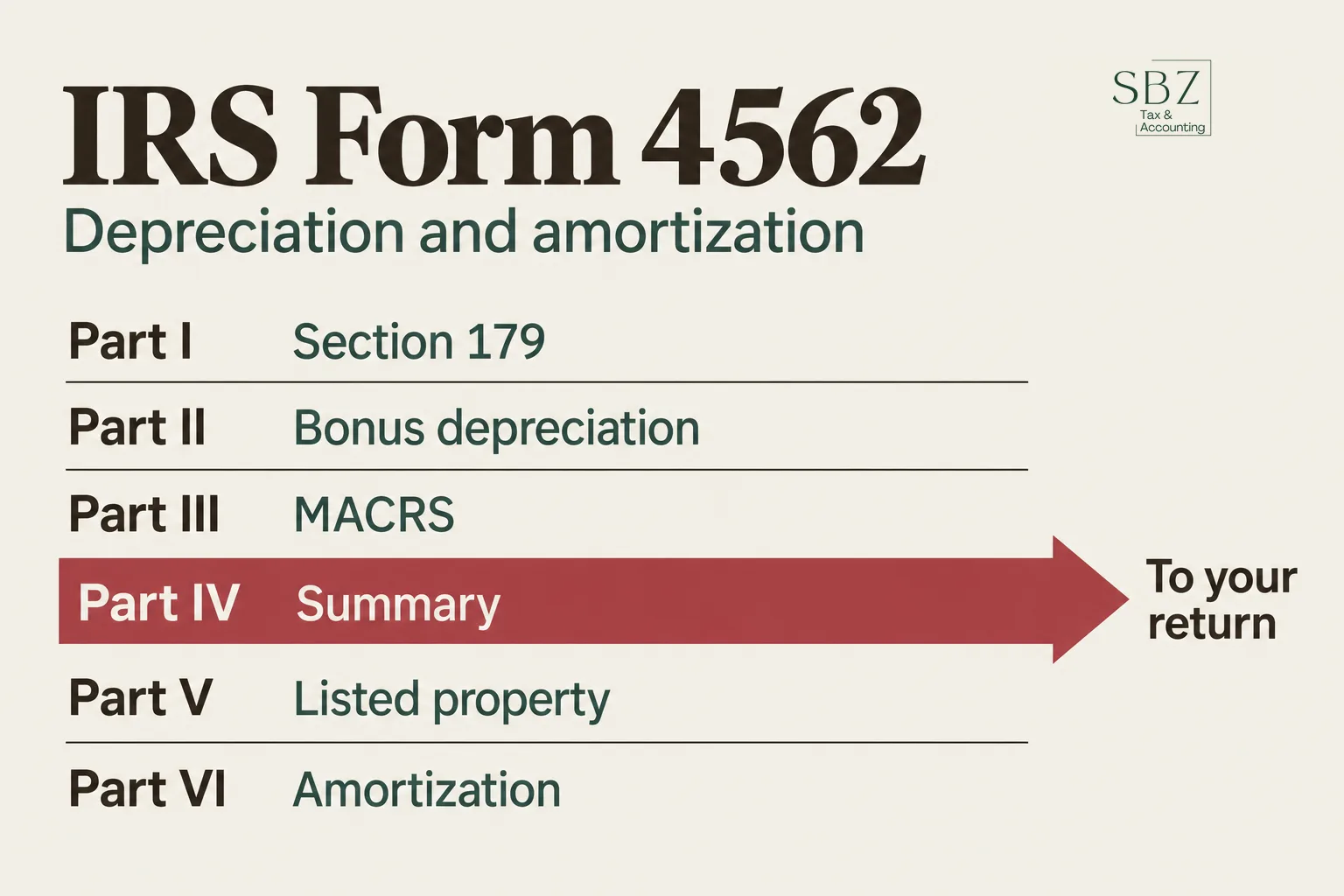
Depreciation adjustments. Certain depreciation methods allowed under regular tax—like MACRS accelerated depreciation on business property—are scaled back for AMT purposes toward straight-line. If you or your business has taken bonus depreciation on equipment, Form 6251 adjusts those amounts. If you work with an S-corp or business entity that runs significant depreciation, this is worth understanding.
Tax preference items. These include excess percentage depletion (common in oil and gas) and intangible drilling costs, which add back directly to AMTI regardless of other factors.
After all adjustments, you subtract your exemption amount, apply the AMT rates, and compare the result to your regular tax liability.
What are the 2025 AMT exemption amounts?
The exemption reduces your AMTI before the AMT rates apply. Higher exemptions mean fewer people owe AMT—and TCJA made them much higher. For 2025:
| Filing Status | Exemption | Phase-Out Begins |
|---|---|---|
| Single / MFS | $88,100 | $626,350 |
| Married Filing Jointly | $137,000 | $1,252,700 |
| Estates and Trusts | $30,700 | $102,500 |
The exemption phases out at 25 cents per dollar above the threshold. A married couple with AMTI well above $1.8 million would have no exemption remaining.
These figures are inflation-adjusted each year. Always verify the amounts in the official Form 6251 instructions for the tax year you're filing.
What rates does AMT use?
AMT uses two flat rates instead of the graduated brackets of regular tax:
- 26% on the first $239,100 of AMTI above the exemption (2025; half that amount for married filing separately)
- 28% on AMTI above that threshold
Regular tax tops out at 37%, but the AMT system disallows many of the deductions that reduce regular taxable income. AMT bites when you have income that the regular system lets you shelter but AMT doesn't.
What happens if you owe unexpected AMT?
An unexpected AMT bill—especially from an ISO exercise—can create a shortfall if you didn't make adequate estimated payments during the year. Estimated tax penalties apply when you underpay throughout the year, so an AMT surprise often comes with a penalty on top of the tax itself.
The best defense is running projections before year-end. Structured tax planning during an ISO exercise year lets you model regular vs. AMT liability, consider partial exercises, or adjust estimated payments to cover the gap before it becomes a problem.
If you're already past the filing year and facing a balance you can't immediately pay, IRS tax problem resolution covers installment agreements and other options for managing an unexpected AMT bill.
Can you recover AMT paid in prior years?
Sometimes. The AMT credit—claimed on Form 8801—applies when you paid AMT because of timing differences rather than permanent preference items. The clearest example is ISO exercises: you paid AMT in the exercise year, then sold the stock in a later year and owed regular tax on the gain. If your regular tax in the sale year exceeds your tentative minimum tax, you can apply the prior AMT as a credit against that regular liability.
The credit carries forward indefinitely. It does not apply to AMT generated from true exclusion preference items like percentage depletion. A fractional CFO or tax advisor running multi-year projections can identify years where the credit is most valuable to use.
Does AMT affect S-corp owners or other business owners?
Pass-through business income generally doesn't directly trigger AMT, but depreciation and passive activity adjustments can. If your business is taking significant bonus depreciation on equipment, some of that advantage gets clawed back for AMT purposes on your personal return. Understanding how your S-corp or entity structure affects your individual AMT exposure is part of sound year-round tax planning.
Complex structures with passive activities, multiple depreciation streams, or equity compensation are worth reviewing before year-end—not after.
Frequently asked questions
What is IRS Form 6251 used for?
Form 6251 calculates the Alternative Minimum Tax for individuals. It adjusts your regular taxable income by adding back certain deductions and preference items, then compares the resulting AMT to your regular tax to determine whether you owe additional tax.
Do most people need to file Form 6251?
No. After the 2017 Tax Cuts and Jobs Act raised AMT exemptions significantly, the vast majority of individual filers no longer owe AMT or need to complete the form. The main groups who still encounter it are high-income earners and people who exercised incentive stock options.
What's the biggest AMT trigger for individual filers today?
Exercising incentive stock options is the most common AMT trigger. The spread between the option's exercise price and the stock's fair market value counts as income for AMT purposes even though it doesn't appear on your W-2 or trigger regular income tax at exercise.
Where can I find the IRS Form 6251 instructions?
The form and instructions are available on IRS.gov—search "Form 6251" and download the version for the applicable tax year. The instructions also include a decision worksheet to help you determine whether you need to complete the full form.
What should I do if I owe AMT for the first time?
First, confirm the liability is correct—software can mishandle ISO entries or depreciation adjustments. If it's accurate, check whether estimated tax penalties apply due to the shortfall, and determine whether Form 8801 could recover some of that AMT in a future year. For ongoing ISO or depreciation situations, talking to a tax professional before next year's decisions can prevent a repeat.
This article is general educational information, not tax advice for your specific situation. AMT calculations depend on individual facts that vary significantly. Consult a qualified tax professional before making decisions based on AMT exposure.