On this page
- What is a California Franchise Tax Board payment plan?
- Who qualifies for a California tax payment plan?
- How do you set up a payment plan with the FTB?
- What does a California tax payment plan cost?
- What happens if you miss a payment?
- Does a state payment plan cover other taxes?
- What should you do before you apply?
- Next step
- Frequently asked questions
California Tax Payment Plan: How to Set Up an FTB Installment Agreement
Yes, if you can't pay your California income tax bill in full, the Franchise Tax Board (FTB) lets many individuals and businesses pay it off in monthly installments through a payment plan, formally called an installment agreement. You apply directly with the FTB, usually online, and interest and penalties keep accruing until the balance is paid.
Below is how the plan works, who qualifies, and what to check before you apply.
What is a California Franchise Tax Board payment plan?
An FTB payment plan splits a state tax balance into monthly payments over a set period. It covers amounts owed on a California return, such as personal income tax, or business entity taxes like the LLC annual tax and fee.
The plan does not erase or reduce what you owe. It gives you time to pay, and it generally keeps the FTB from escalating to collection actions like a bank levy or wage garnishment while you stay current.
Who qualifies for a California tax payment plan?
Eligibility rules change, so confirm the current terms on the FTB's website before you apply. In general, the FTB's online payment agreement is aimed at taxpayers whose total balance falls under a stated dollar threshold (historically $25,000) and who can pay it off within a set number of months, up to 60 in many cases.
A few conditions usually apply:
- All required California returns have been filed. The FTB won't set up a plan while you have unfiled returns.
- The balance has been assessed or is a filed-return balance due, not a disputed or unresolved audit issue.
- You commit to filing and paying future returns on time.
Larger balances, or situations the online tool can't handle, usually go through a paper request (Form FTB 3567, Installment Agreement Request) or a call to the FTB's collection staff.
How do you set up a payment plan with the FTB?
The fastest route is the online payment agreement tool through your MyFTB account. Here's the order to do it in:
- File any missing returns first. A payment plan can't fix a filing gap.
- Pull your balance. Log in to MyFTB or check your notice for the exact amount owed, including penalties and interest.
- Decide what you can pay each month. Pick a figure you can sustain, not the lowest number the tool allows.
- Choose a payment method. Automatic bank withdrawal is common and helps you avoid a missed payment.
- Submit and save confirmation. Keep a copy of the agreement terms and every payment receipt.
If your balance is too large for the online tool, or you owe on several tax years at once, call the number on your FTB notice before you pick a monthly amount.
What does a California tax payment plan cost?
The cost is mostly interest and penalties, with possibly a setup fee depending on the plan type and payment method. The FTB's current fee schedule is on its website, so check it before you commit.
Two things drive the total:
- Interest accrues daily on unpaid tax and penalties. The rate is variable, adjusted periodically, and tied to a federal benchmark rather than fixed for the life of your plan.
- Late-payment penalties can continue to build on the unpaid balance. A longer plan costs more in total.
That's why the smartest move is usually to pay as much as you reasonably can up front, then use the plan for the rest. For a closer look at how penalties stack up, see estimated tax penalties and how to avoid them.
What happens if you miss a payment?
Missing a payment, or failing to file a later return, can put the agreement in default. The FTB can then demand the full balance and resume collection, which can include wage garnishment, a bank levy, or a lien.
If you know you'll be late, contact the FTB before the due date rather than after. A single missed installment is far easier to address early than once a default notice arrives.
Does a state payment plan cover other taxes?
No. The FTB payment plan covers only what you owe the FTB. Other agencies run their own programs:
- IRS balances need a separate installment agreement with the IRS. If you disagree with an IRS collection action, IRS Form 9423 and the collection appeal process are worth understanding.
- Sales and use tax is handled by the California Department of Tax and Fee Administration (CDTFA), which has its own payment arrangement process.
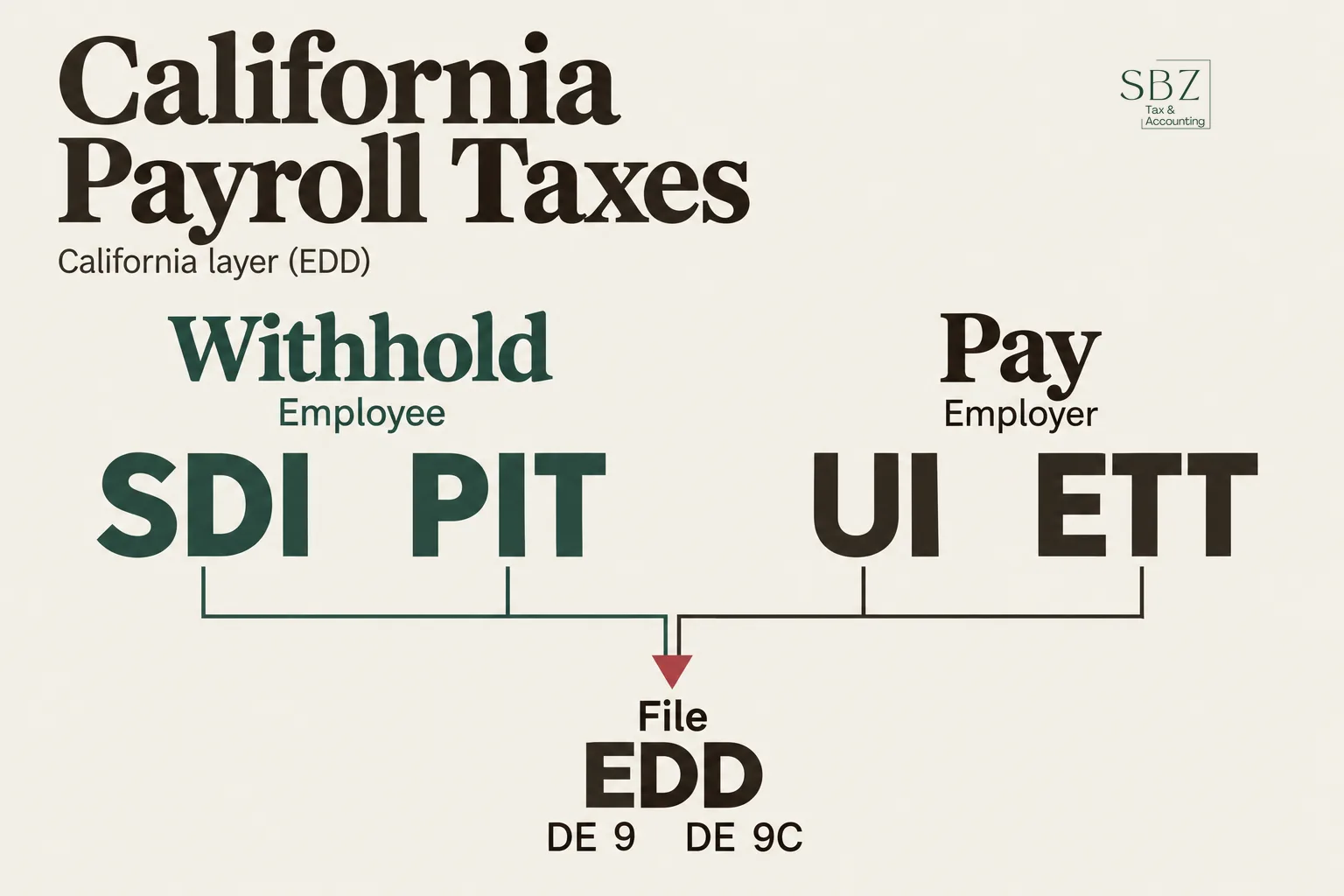
- Payroll taxes go through the Employment Development Department (EDD).
- Property taxes are collected by your county tax collector. Once a bill becomes tax-defaulted, many counties offer an installment plan of redemption. If you're unsure when a bill goes delinquent, see California property tax due dates.
Each agency has its own eligibility rules, so one plan does not cover the rest.
What should you do before you apply?
Start by confirming the balance is correct. Notices sometimes include penalties that may be eligible for relief, and a missed estimated payment or extension mistake can inflate a bill. If you filed an extension, what California's extension actually covers matters, because an extension to file isn't an extension to pay.
Then look at how you got here. If it was a one-time event, a plan may be all you need. If it keeps happening, the fix is upstream: California estimated tax payments are a common culprit for self-employed taxpayers and business owners. And if the notice follows a missed deadline, read what to do if you missed the tax filing deadline.
Business owners with an LLC should also confirm whether the balance is the annual tax and fee, covered in California LLC franchise tax for new business owners.
Next step
Gather your FTB notice, your most recent return, and a realistic monthly budget, then compare the plan's total cost against paying part of the balance now. If the numbers feel unclear, SBZ Tax can walk through your notice and options with you; start with IRS and state tax problem help or book a free consultation. You can also call 818-748-2020 or visit the office at 190 Sierra Ct Ste 335, Palmdale, CA 93550.
This article is general information, not tax advice for your specific situation. Rules, thresholds, and fees change, so talk to a qualified tax professional before choosing a payment strategy.
Frequently asked questions
Can I set up a California tax payment plan online?
Yes. Many individuals and businesses can request a payment plan through their MyFTB account if they meet the FTB's balance and filing requirements. Larger or more complex balances may need a paper request or a call to the FTB.
Does the FTB charge interest on a payment plan?
Yes. Interest keeps accruing on the unpaid balance for as long as the plan runs, and late-payment penalties can continue as well. Paying more each month lowers the total cost.
Will a payment plan stop wage garnishment or a bank levy?
An approved plan that you keep current generally keeps the FTB from escalating collection. If a levy or garnishment is already in place, contact the FTB right away to ask how the plan affects it.
Can I get a payment plan if I haven't filed my return?
Generally no. The FTB expects all required returns to be filed before it approves an installment agreement, so file first and then apply.
Does an FTB payment plan cover my IRS debt too?
No. The FTB plan covers only what you owe the FTB. Federal balances need a separate arrangement with the IRS, and other state taxes go through their own agencies.